
Protagonists
- Clement Scheidegger - FOC Representative, Mountaineer (Michalis)
- Narinder “Nari” Sodhi - Natural Sciences Student (Ioannis)
- Mauricio Duarte - Geology/Metallurgy Student (Istvan)
- Susan Chen - History Student (Konstantina)
- Father Ludovick Cloutier - Catholic Priest, Religion Lecturer (Tasos)
The Town Between the Hills
“If you ever see the ghost of Sarah, start digging your grave.”
— Deputy John Cutter, by firelight at the Maclearan farmhouse
Summary
The expedition’s first day in Cobb’s Corners brought warm food and warmer smiles — and beneath both, something rotten. A journalist with a camera and too many questions. A sheriff who looked at the students like sin made flesh. A deputy barely out of boyhood who handed out whiskey and ghost stories with equal ease. By the time the sun set over the sugar maples, the expedition had heard tell of a woman whose body vanished from her grave, a vampire blamed for dead children, and a house where the flowers still bloom for no one. That night, two of them dreamed the same dream. And in the grey light of morning, one of them saw something in the tall grass that should not have existed.
- Richard Wendell, reporter for the Cobb’s Corners Gazette, ambushed the group outside Jim’s Grill with rapid-fire questions and a camera flash — promising to put them on the front page.
- Inside the diner, the students met Ann Haggerty and learned of local superstitions — strange hounds in the hills, big birds, and the ghost of Sarah Maclearan.
- Sheriff Dan Spencer delivered a thundering warning about drunkenness and delinquency; his young deputy, John Cutter, stayed behind to befriend the students with smiles and whiskey.
- Deputy Cutter told the story of Sarah Maclearan — the sheriff’s sister, dead of consumption, whose grave was found to contain a dead calf instead of her body. The locals believe she walks.
- Nari discovered that Robert Blaine watches Clarissa Thurber not with love but with obsession — a possessiveness that has nothing to do with her feelings and everything to do with her physical well-being.
- Around a campfire at the Maclearan farmhouse, Deputy Cutter shared ghost stories about Sarah’s Shade and the strange things seen near the old house.
- Susan Chen and Mauricio Duarte both suffered the same nightmare — a flower bed under a sinister gibbous moon, shapes moving in the dark woods, and a man’s cry that called each of them by name.
- Clement Scheidegger, scouting the tree line at dawn, witnessed a small creature — ratlike, walking upright, carrying a dagger, with bulbous obsidian eyes and pink tentacles where its snout should have been.
- Nari confronted Jason Trent about the mandrake root. The boy spoke for the first time — of witches, of experiments, of a meeting in the forest after dark.
The Man with the Camera
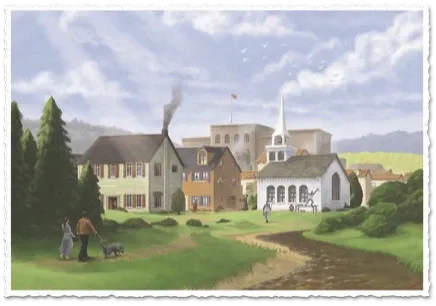
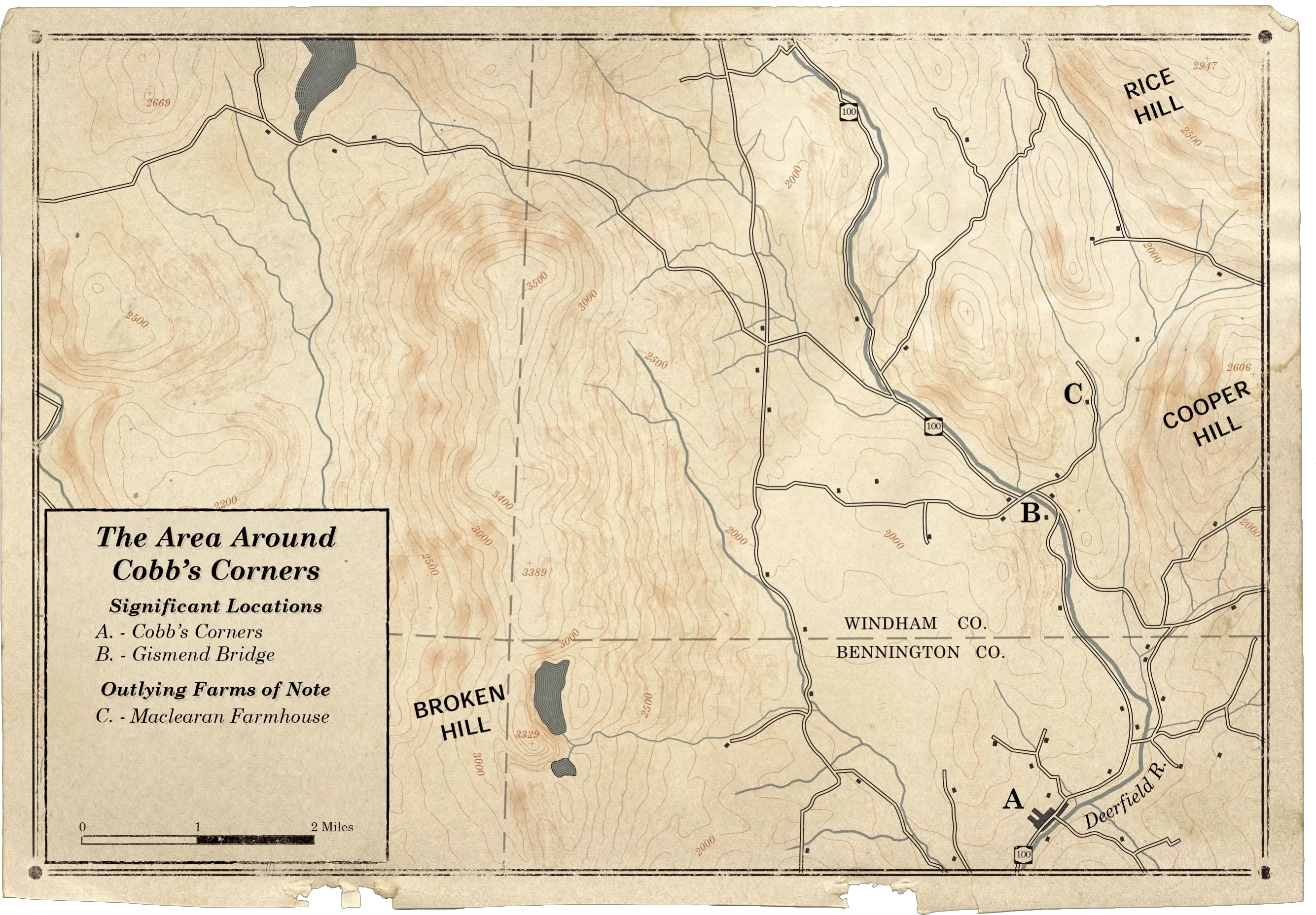
The short drive from the Maclearan farmhouse to Cobb’s Corners took them through green hills and past the Gismend Road Bridge, where the Deerfield River ran dark and slow beneath a canopy of late-summer leaves. The August heat hung thick and wet over the valley. By the time the two Chevrolets rolled to a stop outside Jim’s Grill, the air was close enough to taste.
They had barely stepped out of the cars when the man appeared.
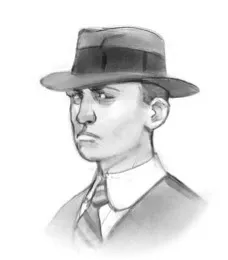
He was white, brown-haired, brown-eyed — average in every dimension a person could be measured. Average height, average weight, average face. The kind of man whose name you forgot before he finished saying it. But he moved fast, closing the distance between the diner door and the parked cars with the urgency of a man who had been waiting for exactly this moment. He held a camera in one hand and a notepad in the other, and his eyes moved from face to face with the hungry precision of a cataloguer.
“You must be the new students! The expedition from Miskatonic, isn’t that right?”
He was already among them before anyone could answer, leaning in close, studying each face as though committing it to film without the camera. He noticed Clement and Father Cloutier standing slightly apart from the students and his eyebrows rose.
“Professors this year, too? You don’t trust the young fellows on their own, do you?”
His name was Richard Wendell. Editor, photographer, and sole reporter for the Cobb’s Corners Gazette — the best journal in south Vermont, by his own estimation. He fired questions like a man working a pump handle, barely waiting for answers before moving to the next. Where were they from? What were they studying? And then, with the sudden sharpness of a blade sliding between ribs:
“Were you a friend of Daphne Devine?”
He looked at Nari when he said it. She looked away.
Blaine, standing nearby, went pale at the mention of the name. Something passed across his face — not grief, exactly, but a tightening, a flinch, the involuntary recoil of a man touching an old wound that had never properly healed. Nari noticed. She filed it away.
“And the boy who died,” Wendell pressed on, oblivious or indifferent to the discomfort he was causing. “Boyd Patterson — you knew him?”
Clement cut through the barrage with the practiced calm of a man who had negotiated with harder cases than small-town reporters. He suggested they discuss things over lunch, inside the nice-looking diner, and did Wendell have anything to recommend?
“Jim’s burgers are the best in town. People come from Brattleboro just for the burgers.”
Wendell couldn’t afford to buy them all lunch — the paper wasn’t that big, he admitted — but he promised them a story in exchange for their stories. He took a photograph of the group standing outside the diner, ignoring the requests of those who did not want their faces in the paper. Behind Father Cloutier, Harry Higgins held up two fingers like devil’s horns. The flash went off. Somewhere in the Gazette’s darkroom, their faces would soon be preserved in silver and shadow, accompanying whatever lurid tale Wendell chose to tell about the students who had come to succeed the dead.
He left as quickly as he had arrived, promising to be at the Gazette office if they ever wanted to talk. And then he was gone, and the door of Jim’s Grill stood open before them, and the smell of frying meat and fresh coffee pulled them inside.
Jim’s Grill
The diner was well-lit and clean, with whitewashed walls and the kind of good, honest smell that comes from a kitchen where someone takes pride in their work. Round tables dotted the floor, booths lined the walls, and a long oak counter ran along the front, with stools lined up for the solitary eater. Through an open passageway, the kitchen was visible — large pots bubbling, a grill in near-constant use, and the broad back of a man in an oil-stained apron working the flat top.
Behind the counter stood Ann Haggerty — a slender woman with long blonde hair, blue eyes, and the quick, welcoming smile of someone who had been making strangers feel at home for most of her adult life.
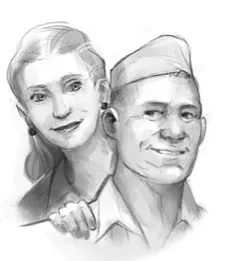
“Hello there, welcome to Jim’s Grill.”
Clement, ever the diplomat, asked after the house specialty. The double bacon double burger was the thing, Ann said, and Clement ordered one without hesitation and made for the bathroom . Mauricio asked after tacos or quesadillas in a Portuguese-accented Spanish that made Ann’s jaw drop before she recovered with the best coleslaw in town and a promise of beans. Susan wanted eggs with beans and extra garlic. Nari asked for vegetarian options and received a sympathetic nod toward the fries.
The orders were taken. The group scattered to tables like seeds thrown from a handful.
At a table near the back, a young boy sat alone, hunched over a notebook, drawing something with the absorbed intensity of a child who had learned early that the world was more interesting on paper. He was fourteen, good-looking, with light brown hair and brown eyes — Jason Haggerty, Ann and Jim’s son. The drawing on his page was of a tree. Not a friendly tree, not a child’s tree — something gnarled and reaching, its branches like fingers, its roots like claws. A spooky-looking thing from the Vermont hills.
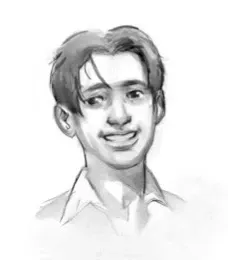
Susan noticed it first. She had been watching the boy from across the room, and something about the drawing pulled at her — the same instinct that had drawn her to history, to old things, to the stories people told about places they feared. She walked over and sat down across from him.
“That’s a nice drawing. Is it from a fairy tale?”
Jason looked up, startled but not unfriendly. “We have a lot of cool trees around here.”
Nari joined them, drawn by the same quiet gravity that seemed to hover around the boy’s table. She asked if the tree was meant to look scary. Jason said it was beautiful, not scary — but then he snatched the notebook closed and said the other drawings were personal, and something in his voice made it clear that the conversation was over.
Susan asked if he had drawn ghosts.
“Have you drawn ghosts? What’s your name?”
“Jason,” he said. “I’m Jason.”
He was polite, neat, and seemingly normal. A fourteen-year-old boy drawing trees in his parents’ diner. Nothing to be concerned about.
Nothing at all.
The Counter and the Kitchen
While the students spread through the diner, Clement took a stool at the counter and fell into conversation with Ann Haggerty. He asked about the area — the hills, the hiking, whether there were trails worth following. He was, after all, a mountaineer of forty years’ experience, and the Green Mountains had been calling to him since the convoy crossed the state line.
Ann poured him coffee — black, two spoons of sugar — and told him what she knew. The locals didn’t much care for the hills, she said. There were rumors. Superstitions. Stories about a huge hound that roamed the high places, and big birds that circled in thermals above the peaks. And then, as though it were the most natural thing in the world, she mentioned the ghost.
“Sarah’s Shade, the local ghost, if you want to call it that.”
Clement asked for the story, and Ann told it the way small-town stories are told — not as a tale of the supernatural, but as a matter of local record, the kind of thing everyone knows and nobody questions.
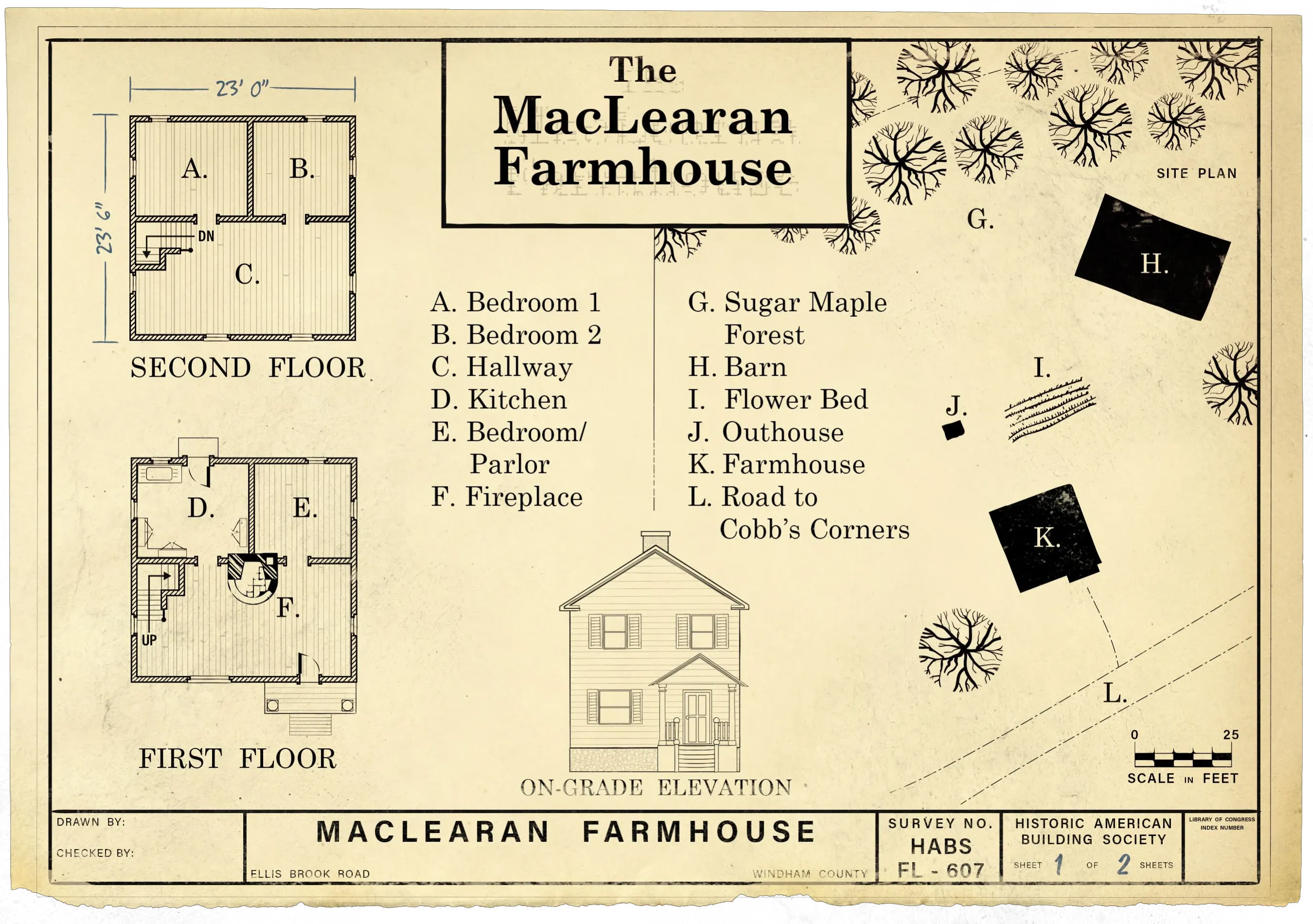
Sarah Maclearan had been the sheriff’s sister. Married to Jimmy Maclearan, a rough man who treated her like gold. They lived on the farm — the same farm where the students were staying, three miles outside town. Sarah got sick. Tuberculosis. It took her a long time to die, and after she was gone, Jimmy lost his mind.
But that wasn’t the end of Sarah’s story.
Years after her death — about ten years ago — some gravediggers, men not from Cobb’s Corners, opened her casket. When they lifted the lid, Sarah wasn’t there. Instead, they found a young calf, its legs broken to fit inside the box. Her body had never been found. Some people said she became a vampire. Others said she was a ghost — Sarah’s Shade, blamed ever since for every sick animal, every missing child, every inexplicable death in the valley. The locals said that if you saw her, you should start digging your grave.
Clement thanked her for the coffee and the story, and said nothing about the flower bed behind the Maclearan farmhouse. The one that bloomed too well. The one that someone was still tending, in secret, in the shadow of a house where no one was supposed to live.
The Observations
Nari sat down next to Clarissa Thurber, across the table from Robert Blaine. She had been watching the two of them since the drive from Arkham, and what she saw disturbed her in ways she could not quite name.
Blaine’s attention to Clarissa was constant, possessive, and deeply unsettling. It was not the gaze of a young man in love — or if it was, it was a love that had curdled into something else entirely. He did not seem to care what Clarissa thought or felt. He watched her physical health the way a farmer watches livestock — checking that she was comfortable, that nothing had happened to her, that she remained in one piece. Clarissa, for her part, was clearly weary of it. She confided in Nari that Blaine had been asking her strange questions — about her past, about things no one would normally ask. He was obsessed with her well-being in a way that felt less like devotion and more like management.
“If you ever see him talking to me,” Clarissa whispered, “please come and talk to me. Save me.”
Nari promised she would. She also showed Clarissa a henna mark on her hand — a small pattern, hidden beneath her sleeve, the kind of thing she had learned from her grandmother in Punjab. Clarissa’s eyes lit up. Nari offered to show her how to do one herself. It was a small thing, a gesture between two women in a room full of men who were not paying attention, but it mattered.
At another table, Mauricio sat with Harry Higgins. The Irishman had discovered the jukebox — a new-fangled machine that took coins and played music, still a rarity in these parts — and had convinced Mauricio to part with five cents for a song. The music filled the diner, and Higgins swayed with it, snapping his fingers, his grin as wide as the Connecticut River. He talked about moonshine, about how the area was full of illegal stills, about how they would find some and have even more fun. Mauricio, always game, asked whether the señorita at the counter might know where to find some. Higgins thought it better not to ask — but maybe they could make Trent go ask instead. Trent barely spoke. Who would suspect him?
Across the room, Susan tried once more to reach Jason Trent. The shy history major had sat down alone, ordered white milk and a lettuce salad, and raised his book — The Witch-Cult in Western Europe by Margaret A. Murray, Oxford University Press, 1921 — between himself and the world like a fortress wall. Susan told him she understood what it was like to be alone, to be the only Chinese person in the room, to eat by herself. She said she did not want him to be on his own.
Trent did not reply. He turned a page.
Father Cloutier, meanwhile, had settled at the counter with his sweet coffee, keeping his own counsel and watching the room with the quiet attentiveness of a man whose profession required him to notice what others preferred to hide.
Enter the Sheriff
The door swung open, and two men walked in.
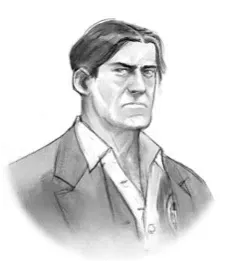
The first was Sheriff Dan Spencer — a well-built man whose muscles were visible through his shirt, with dark blue piercing eyes beneath jet-black hair. A streak of grey ran along the left side of his head like a scar. His face was craggy, leathery, aged beyond his years. There was something in his features — the sharp cheekbones, the dark colouring — that spoke of Abenaki blood, generations back. He moved with the deliberate authority of a man who owned every room he entered.
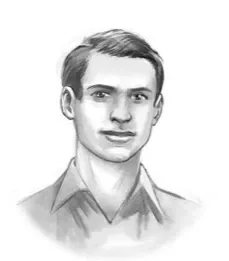
Behind him, younger by a decade and a half, came his deputy. John Cutter was twenty years old but looked younger — a baby-faced young man with sky-blue eyes, short brown hair, and the corded muscles of someone who worked hard and often. He was almost six feet tall and carried himself with an easy confidence that bordered on performance. He was, in a word, handsome. The kind of handsome that made people trust him before he opened his mouth.
Sheriff Spencer strode to the counter. Ann poured him a cup of coffee. He took it, turned, and looked at the students as though surveying a particularly disappointing harvest.
What followed was a sermon.
“My name’s Sheriff Spencer, and this here is Deputy Cutter. We are the law in Cobb’s Corners. We will not hesitate to make your stay here most unpleasant if you break the rules.”
He knew about speakeasies. He knew about city kids and their drunken carousing. He knew about the last group — the inebriated hooligans who had rampaged through his town and wound up dead or missing in the mountains. He did not want that again. This was a God-fearing town. There would be no shoplifting, no cow tipping, no perversions of any kind. They would be watched.
“God bless, and have a fine day.”
He drained his coffee, slammed the cup on the counter, and walked out.
Deputy Cutter lingered. He looked embarrassed, or at least performed embarrassment well. He shrugged, smiled, and asked if he might join them for lunch. He was their age, or close enough. He was friendly. He was likeable. He was everything the sheriff was not, and the relief in the room was almost physical.
The Deputy’s Tour
Cutter sat down and began to work the room with the easy charm of a born politician. He apologized for the sheriff’s behaviour — strict guy, but not a bad man, just under a lot of pressure after what happened last year. The mention of last year was deliberate. He turned to Blaine.
“Blaine. Have you heard any news about Mr. Jeffrey or Ms. Devine?”
Blaine went pale. The colour drained from his face as though someone had pulled a plug. He shook his head and said nothing.
Cutter apologized smoothly and changed the subject. He asked about the expedition’s plans, and the students told him — folklore, geology, the Abenaki people. He told them about the town — the Karners at the general store, Dr. Owen Perry who could help with any medical needs, the small library run by Mabel Carruthers where they could do research. He warned them about Richard Wendell, the reporter, who had had a field day speculating about the grisly demise of the previous students.
And then, as though it were the most natural follow-up in the world, he asked where they were staying. When they told him the Maclearan farm, his face changed — not to alarm, exactly, but to the careful sadness of a man about to deliver bad news he had delivered many times before.
He told them the story. The same story Ann had told Clement at the counter, but fuller, more personal, because Cutter had grown up in this town and the Maclearans were part of its fabric. Sarah Spencer had married Jimmy Maclearan. Jimmy was rough, got into fights, but he loved Sarah with a ferocity that frightened people. They were happy. The only sadness was that they couldn’t have children. Then Sarah got sick — consumption, tuberculosis — and nothing could be done. She died slowly. Jimmy went mad. After her death, he claimed he could still see her. The bank took the farm. The sheriff, who still thought of Jimmy as a brother, couldn’t bear to have him in his house. Jimmy lived in and out of the jail cell, sleeping off benders until the sheriff found him drunk enough to lock up again.
And the grave. Cutter told them about that, too — the gravediggers from out of town, the opened casket, the dead calf where Sarah’s body should have been. The sheriff had arrested the diggers, then let them go with a warning never to speak of what they had seen. The grave was covered back over. The coffin was cremated. But Sarah’s body was never found.
“You need to watch out for Jimmy,” Cutter said. “He’s got a vile temper, and he’s more than a little crazy.”
The students looked at each other. They were sleeping in his house. In his wife’s house. In the house where Sarah had died, and where — if the locals were to be believed — she still walked.
Clement asked about the location where Boyd Patterson’s body had been found, and Cutter showed them on a map: Broken Hill, at the foot of the Green Mountains. Clement studied the contours, the altitude, the terrain. Somewhere up there, Victor Pasqualle had walked into the hills and never come back. Somewhere up there, a mineral existed that could change the world, or end it.
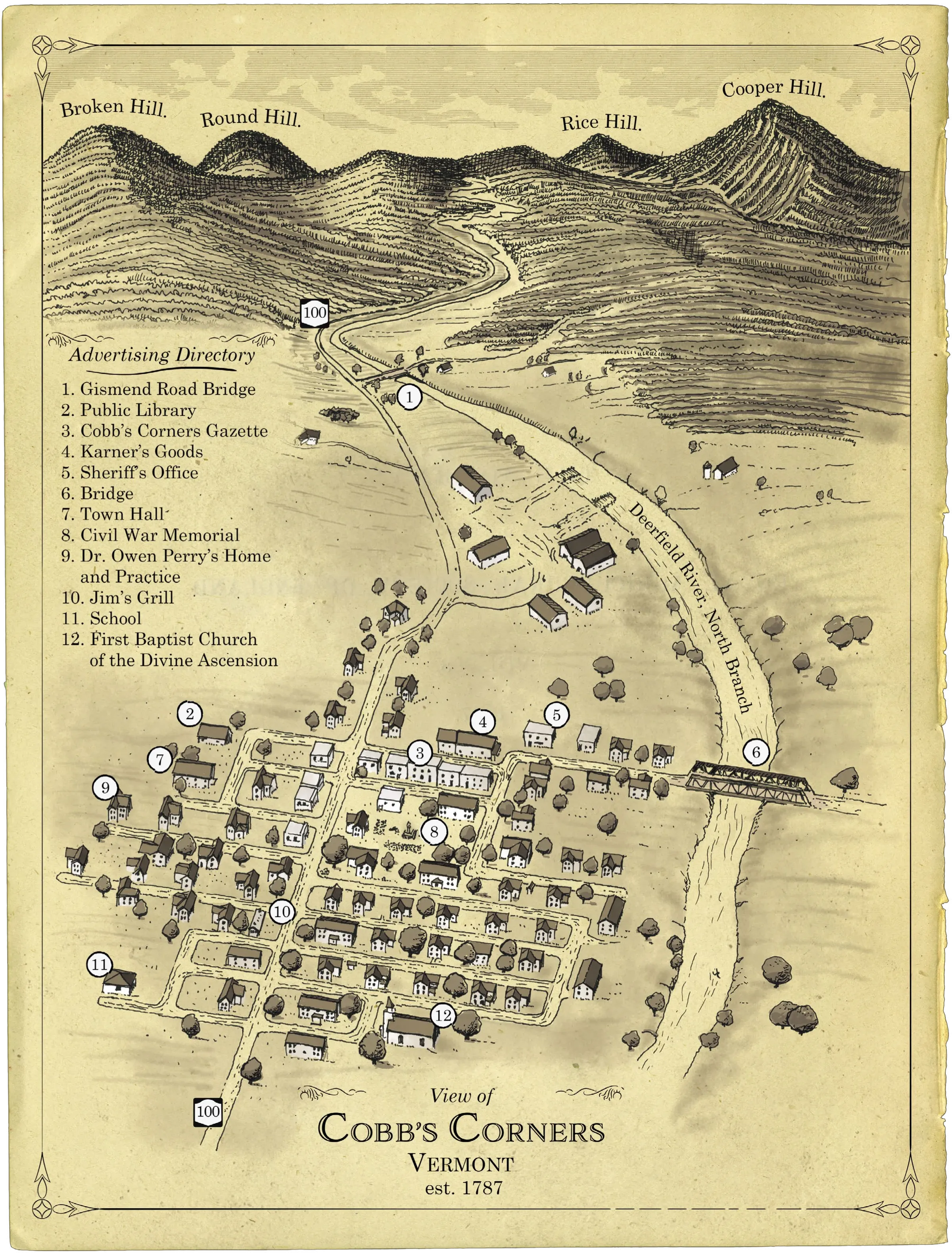
After lunch, Cutter offered to show them around Cobb’s Corners. They walked the Main Street — past Karner’s Goods, the general store; past the Gazette office with its cluttered windows; past the sheriff’s office with its barred windows and green paint; past the Civil War memorial with its granite soldier and decorative iron cannon. They met Mabel Carruthers, the librarian, a middle-aged woman with grey hair in a tight bun and a whispering voice accustomed to silence. She welcomed them warmly, told them to come to the library if they needed help with their research, and spoke of Cobb’s Corners with the fond resignation of someone who had lived nowhere else and expected to die in the same room she was born in.
By the time the tour ended, the sun was beginning its slow descent behind the hills. Cutter suggested they all go back to the Maclearan farmhouse for the evening. Light a fire. Tell some stories. Get to know each other.
The students looked at each other. Blaine said nothing. He looked at his shoes.
“Sure,” someone said. “Let’s go.”
Firelight
The evening settled over the Maclearan farmhouse like a held breath. The humidity of the day gave way to a warm, close night, and the stars came out thick and white over the Green Mountains. A campfire was lit in the yard behind the house, and the students gathered around it — some on chairs dragged from inside, others on the ground, their faces lit orange and shadow in the flickering light.
Deputy Cutter produced a bottle of whiskey from his pocket and offered it around with a conspiratorial wink. “As long as no one tells the sheriff.” Louis Gibbons took a swig. Mauricio took another. Harry Higgins took a long one and went looking for more. Even Blaine, after a time, retreated into the house and came back with a bigger bottle. The mood loosened. Louis and Harry performed a song they had written — “I’m an Arkhamite” — and the fire crackled, and the night pressed in around them, and for a few minutes it felt like a college trip, like a lark, like something that would end in hangovers and good stories.
Father Cloutier sat slightly apart, watching. He did not drink. He noticed that some of the students were drinking more than they should, and he noticed that Cutter noticed too, and that the deputy’s smile never wavered.
Terrence Laslow refused to sit on the ground. His cashmere would wrinkle. He went inside to sleep.
Jason Trent went inside too. He did not say goodnight.
Clement, feeling his age and his double burger, slipped away from the fire to find a quiet spot at the edge of the sugar maple forest. He relieved himself in the dark, listening to the night sounds of Vermont — crickets, the distant river, and then, from somewhere deep in the forest, the cracking of a branch, followed by a long, low howl that rose and fell like a question. An owl. Probably an owl. Clement swore at it in Swiss German and went back to the house.
Upstairs, the women were preparing for bed. Clarissa taught the others a trick — bending a spoon and balancing it on the inside door handle, so that if anyone tried to enter from the outside, the spoon would clatter to the floor and wake them. Nari suggested tying the doorknob to the heavy armchair with rope. They did both. Clarissa made Nari promise to come if Blaine came near her room.
“I’ll keep an eye on him,” Nari said. She meant it.
Around ten o’clock, the fire had burned low and the whiskey had done its work. Deputy Cutter leaned forward, his face half in shadow, and told them about Sarah’s Shade.
The locals blamed her for everything, he said. Dead animals. Sick children. Unexplained deaths. A farmer had found a small calf drained of blood, with no wound and no explanation. People said Sarah drank the blood to stay alive. They said that if you saw her ghost, death would follow. They said that near the Maclearan house — this house, right here — children had heard voices, something that gibbered and groaned when they came too close.
“If you ever see the ghost of Sarah,” Cutter said, looking at each of them in turn, “start digging your grave.”
Mauricio asked whether the students from last year had seen her. Cutter said he didn’t know. He had met them a few times at Jim’s Grill. They seemed like nice kids. City kids, maybe not used to the hard life in the countryside. He thought they had probably gone hiking and had an accident. That was the official story. That was what the world believed.
At the mention of last year’s expedition, Blaine stood up, said nothing, and went inside. The door closed behind him, and he did not come back.
Cutter watched him go. Then he finished the whiskey, said his goodnights, and drove away into the dark.
The Dream
Susan and Mauricio did not know that they shared the same nightmare. They had no way of knowing — they were not close, not confessional, not the kind of people who would tell a stranger about a bad dream. And so, when they woke, sweating and frightened, in the small hours of the morning, they each kept it to themselves.
The dream was the same for both of them.
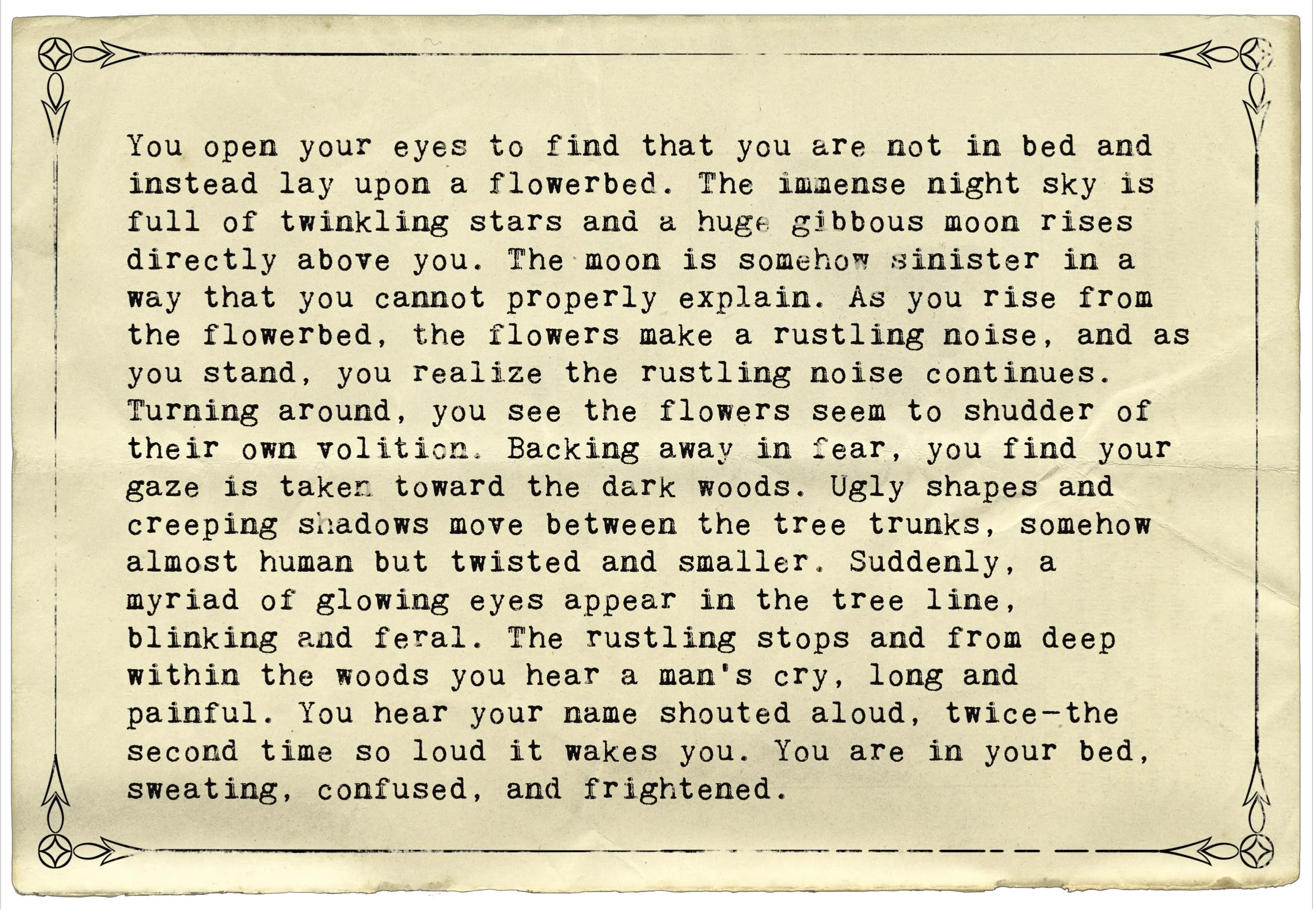
They opened their eyes and found themselves lying not in bed but on a flower bed — the same flower bed behind the Maclearan farmhouse, the one that bloomed too well, the one that someone was still tending. The night sky above was immense, full of stars, and a huge, swollen moon hung directly overhead. It was gibbous and wrong — somehow sinister in a way that defied explanation, as though the light it cast was not quite the light of the real moon.
They rose from the flowers, and the flowers rustled. But the rustling did not stop. They turned, and the flowers were shuddering — shuddering of their own volition, as though something in the soil beneath them was moving, was alive, was pleased to see them.
Beyond the flower bed, the dark woods waited. Shapes moved between the tree trunks — ugly, creeping shapes, almost human but twisted and wrong. A myriad of glowing eyes appeared in the tree line, blinking and feral. The rustling stopped.
And from deep within the woods came a man’s cry — long, and painful, and full of a suffering that seemed to have no end. Then a voice called their name. Once. And then again, louder, so loud that it shattered the dream like a stone through glass.
They woke in their beds, sweating, confused, and frightened.
Mauricio, who had been sleeping outside near the flower bed, woke to the real world and found himself staring at the tree line. The forest was dark. The air was still. And then, about a foot off the ground, he saw a pair of small, glowing yellow eyes looking back at him. They blinked once and vanished into the underbrush.
He told himself it was the whiskey. He told himself it was a cat, or a raccoon, or nothing at all. He went back to sleep.
He did not tell anyone about the dream.
The Thing in the Grass
Morning came grey and warm. The humidity had not broken overnight, and the air was thick with the smell of the river and the sugar maples. The students stirred reluctantly, some nursing headaches, others nursing fears they would not name.
Clement, who had always been an early riser, was the first one outside. He stretched with his Alpenstock across his shoulders — the slow, methodical routine of a man who had spent forty years in the mountains — and then, with the others still asleep or groaning into their pillows, he walked the perimeter of the farmhouse. Not the flower bed side — he had seen enough of that. Instead, he followed the tree line along the back of the property, where the sugar maple forest pressed close and the tall grass grew thick and wild.
He was behind the outhouse when he saw the hare.
It was small and brown, nibbling at weeds near the forest edge, its ears twitching at sounds Clement could not hear. He watched it for a moment — the simple pleasure of seeing a wild thing go about its business — and then he noticed the movement behind it.
Something was following the hare. Something small — no more than thirty centimeters tall — moving through the tall grass with a deliberate, purposeful stride. It walked on its hind legs. It was holding something.
Clement squinted. His eyes were good — forty years of mountain-climbing had given him eyes like a hawk’s — and what he saw made no sense.
The thing looked like a rat. A large rat, walking upright, carrying a dagger in its front paws. Its eyes were huge and bulbous, black as obsidian, reflecting no light. And where its snout should have been — where a rat’s nose and whiskers would have been — there were pink, twisting tentacles, dangling and writhing like the arms of something that had no business being alive.
It was stalking the hare. Slowly, carefully, with the patience of a hunter who had done this before.
“Hey!” Clement called out. “Hey, you little bunny — run away!”
The hare bolted. The thing stopped, turned toward Clement, and waved its dagger-wielding paws in what could only be described as anger. Then it dropped to all fours and vanished into the tall grass, heading for the sugar maples.
Clement stood very still. His heart was beating hard, but his face showed nothing. Forty years of mountains. Forty years of not panicking.
A rat covered in grass. A piece of metal stuck in its fur. That’s what that was. That’s all that was.
He walked to the spot where the thing had disappeared and knelt in the grass, looking for tracks. He found some — small, strange prints that led toward the forest — but they vanished in the tall grass after a few meters. Whatever it was, it was gone.
He went back to the farmhouse and said nothing about what he had seen.
The Mandrake and the Boy
While Clement scouted and the others slept, Nari spotted Jason Trent leaving the house alone, walking toward the sugar maple forest with his head down and his shoulders hunched. She followed.
Trent entered the tree line and immediately looked over his shoulder. He saw her. His face changed — that same flash of wariness she had seen the day before, when she caught him digging up the mandrake root. But this time, he did not run.
Instead, he turned and walked back toward her. He said good morning — the first word she had ever heard him speak — and tried to brush past her toward the house.
Nari stopped him. She pulled out the mandrake root — the one she had taken from his digging spot — and held it up.
“Do you want it?”
Trent’s eyes locked onto the root. “Yes. Give it to me.”
“Why do you want it?”
“You would never understand.”
“I will become a Sikh one day. I know more than you give me credit for.”
Trent studied her. Something shifted behind his thick glasses — a calculation, a weighing of risk and reward. Then he spoke, and for the first time, his voice was clear and steady.
“Do you have stories about witches in India?”
Nari stared at him. “I thought you were mute.”
“If you can call a Sikh a witch.”
He told her to meet him tonight in the forest. A small experiment. Nothing dangerous. Just the two of them, and the mandrake, and whatever knowledge he carried in those strange books with their strange titles.
“Meet me tonight,” Trent said, and ran back to the house.
Nari watched him go. The mandrake root sat heavy in her pocket. She had come to Vermont to study natural sciences — biology, botany, the living world. Instead, she was being pulled into something older and stranger than anything in her textbooks. A boy who read about witch cults. A root shaped like a human body. A meeting in a dark forest with a loner who had finally found someone he wanted to talk to.
She went to find Clement and told him everything.
Day Two
By eight o’clock, the farmhouse was stirring. Nari performed her morning prayers and stretches by the flower bed, keeping her distance from it. Mauricio ate beans from a can and tried to pretend he had not seen yellow eyes in the dark. Susan stayed upstairs with the curtains drawn. Father Cloutier said his morning Mass. Clement returned from his walk, brushed the grass and hare droppings from his knees, and said nothing about rats with daggers.
Blaine emerged from the parlor looking like a man who had not slept, which was either the truth or a very good performance. He announced the day’s plan: the expedition would split into two groups. The geologists — Group One — would go to Rice Hill to begin their survey, driven by Joe Harlow, a local man who had been hired as their truck driver. The folklorists — Group Two — would head into Cobb’s Corners to begin interviewing locals. Blaine himself would accompany the folklorists today, rotating between groups on subsequent days.
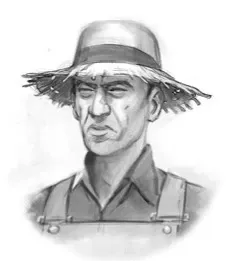
Joe Harlow arrived in the Ford AA truck — a white-haired man in faded overalls and a tatty straw hat, squinting at the world through permanently narrowed eyes. He rolled a cigarette from newspaper and tobacco with the practiced ease of a man who had been doing it since before any of the students were born, and leaned against the truck, waiting.
Before the groups departed, there was one last scene. Through the thin walls of the farmhouse, someone heard Terrence Laslow on the telephone.
“Mother — yes — I slept on the floor. Please send a bed. Or a mattress. Or something. What do you mean you’re busy? Mother — don’t — hello? Hello?”
A click. A dial tone. Laslow stood in the hallway holding the receiver, his pale rat-face a mask of wounded privilege. He hung up, straightened his collar, and walked out to the truck without making eye contact with anyone.
The students loaded their equipment. The folklorists gathered their notepads, their phonograph, their camera. The geologists packed their hammers and their surveying tools. Joe Harlow finished his cigarette, stubbed it out on his boot heel, and climbed into the driver’s seat.
The sun was climbing. The hills were green. The sugar maples stood silent behind the farmhouse, their leaves still, their shadows long.
Day two had begun.
Next: The expedition splits in two. One group heads for the hills with pickaxes and surveying gear. The other goes door to door in Cobb’s Corners, asking questions about ghosts and old gods and the things that live in the mountains. Neither group knows what they are walking toward.